Birdwatching in Lanzarote: A Guide to the Island's Best Spots and Species
Lanzarote doesn't look like birding country. There are no forests, barely any rivers, and for long stretches of the island the ground is black lava and little else. Which is exactly why the birdwatching here is so good. In a landscape this open, with this much light, birds have nowhere to hide and the species that have adapted to it are ones you won't easily find anywhere else in Europe.
The island sits about 125 km off the coast of Africa, and its bird list reflects that: North African desert species at the northern edge of their range, Macaronesian endemics found only in the Canaries and their neighbouring archipelagos, and vast numbers of Atlantic seabirds passing offshore. Add wintering waders and two migration seasons, and a week here can turn up 60 or 70 species without much effort.
Here's where to go, what to look for, and when.
The island's star birds
If you're coming to Lanzarote specifically to watch birds, these are the ones worth planning around.
- Canarian houbara bustard — The headline act. A large, stately, sand-coloured bustard found in the Canaries only on Lanzarote, Fuerteventura and La Graciosa, with a world population in the hundreds. The males display in late winter, running in tight circles with their neck plumes fanned into a white ruff. It's a genuinely rare bird, and Lanzarote is one of the most reliable places on earth to see it.
- Cream-coloured courser — A sandy, long-legged plover of open ground, beautifully marked in soft buff with a grey nape and black eye-stripe. It runs rather than flies, and often stands perfectly still until you've almost walked past it.
- Berthelot's pipit — A Macaronesian endemic, small and unfussy, and one of the few birds you'll see almost everywhere on the island, from lava fields to car parks. Once you learn it, you'll notice it constantly.
- Trumpeter finch — Stubby pink bill, washed-out sandy plumage, and a call that genuinely sounds like a tiny toy trumpet. Common in dry rocky areas and around the vineyards.
- Southern grey shrike — A compact, pale shrike that hunts from wires and fence posts and has the unnerving habit of impaling prey on thorns.
- Barbary falcon — The island's resident peregrine-type falcon, fast and pale, hunting along cliffs and coastal escarpments.
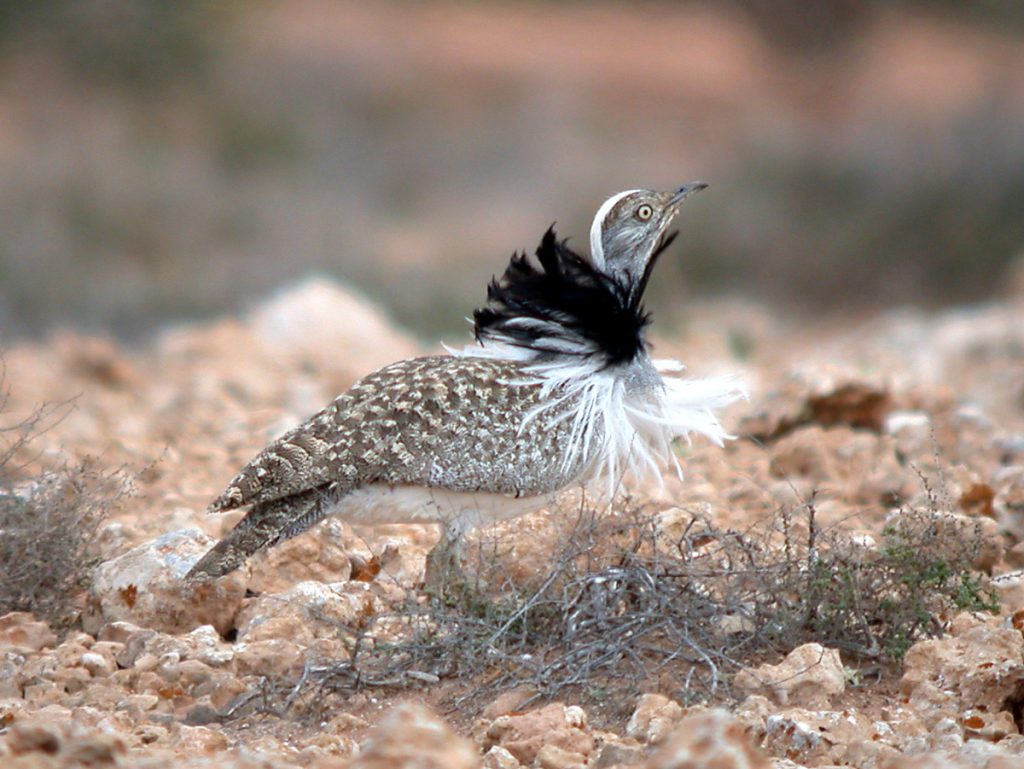
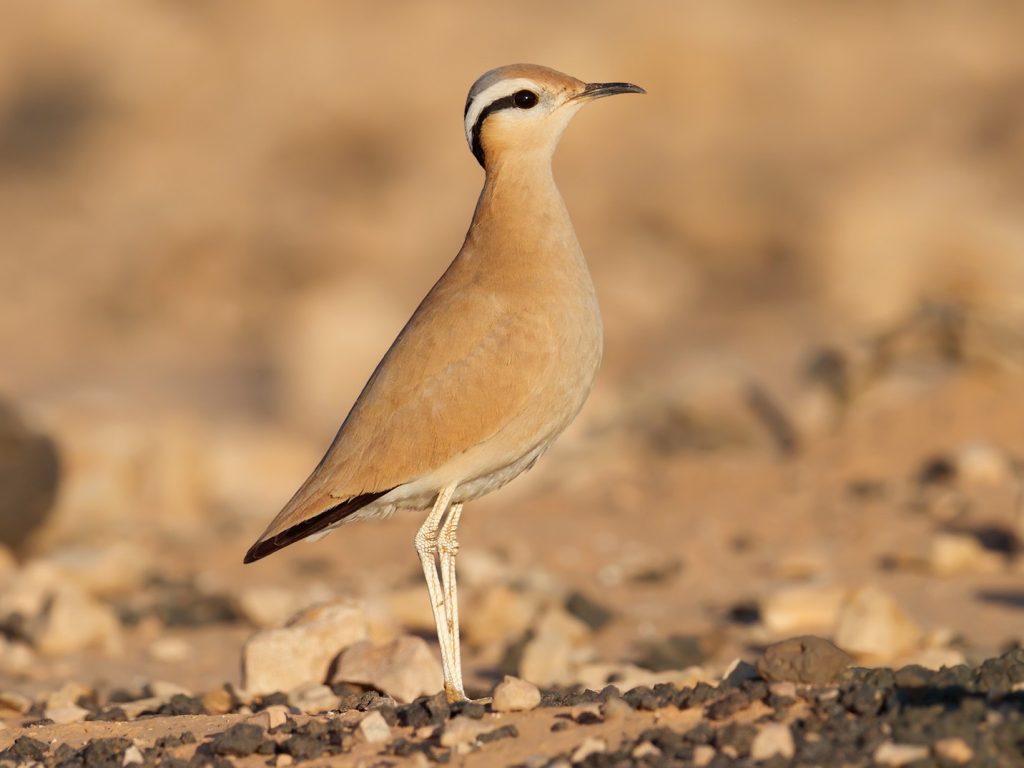
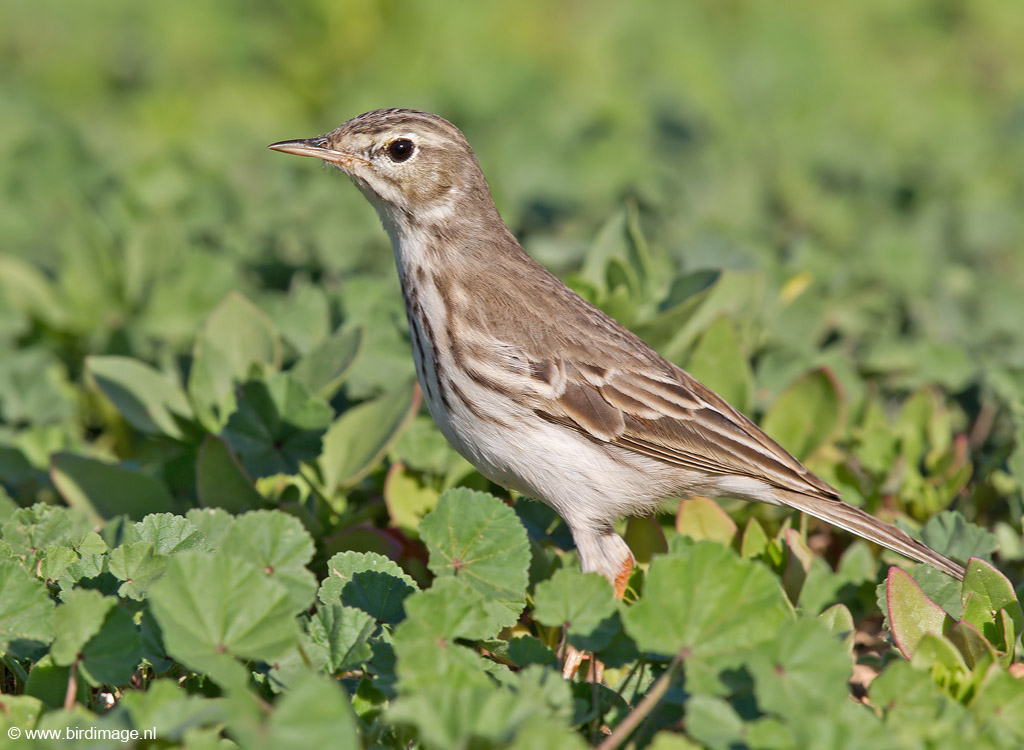
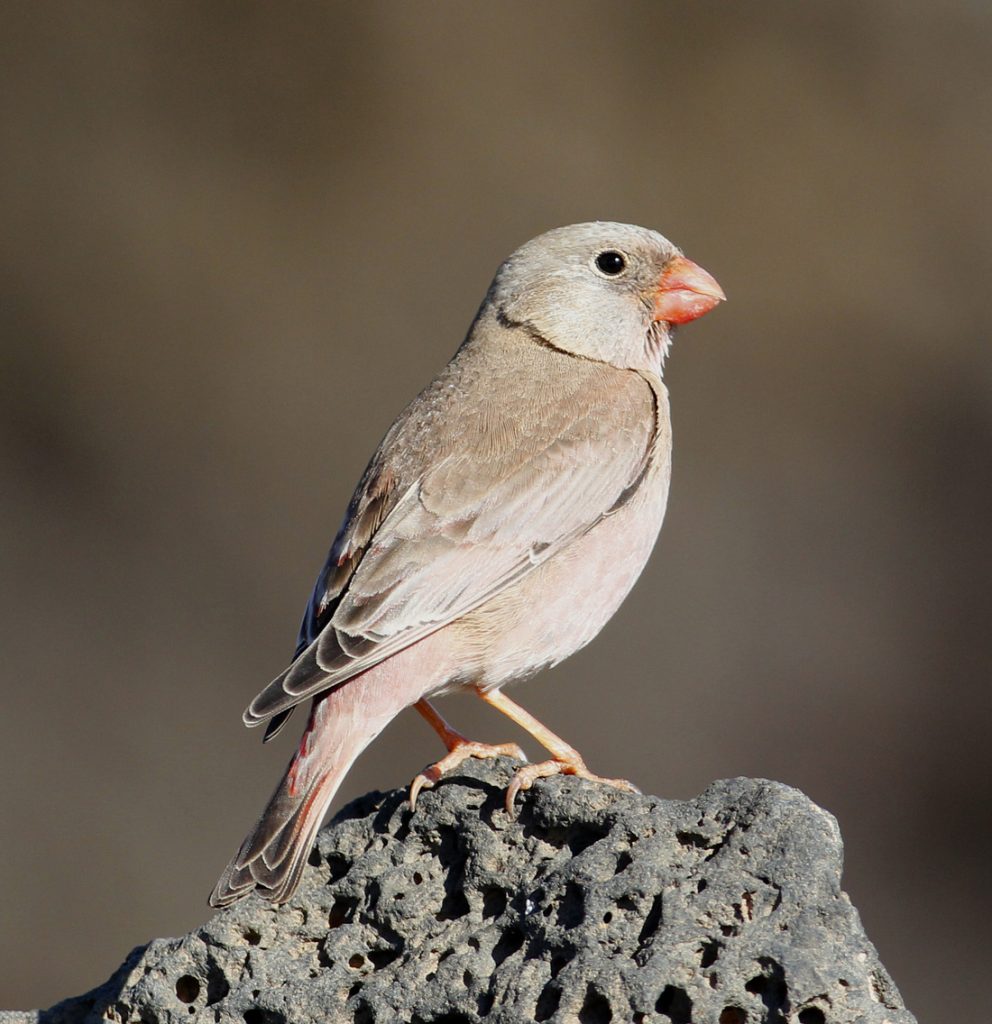
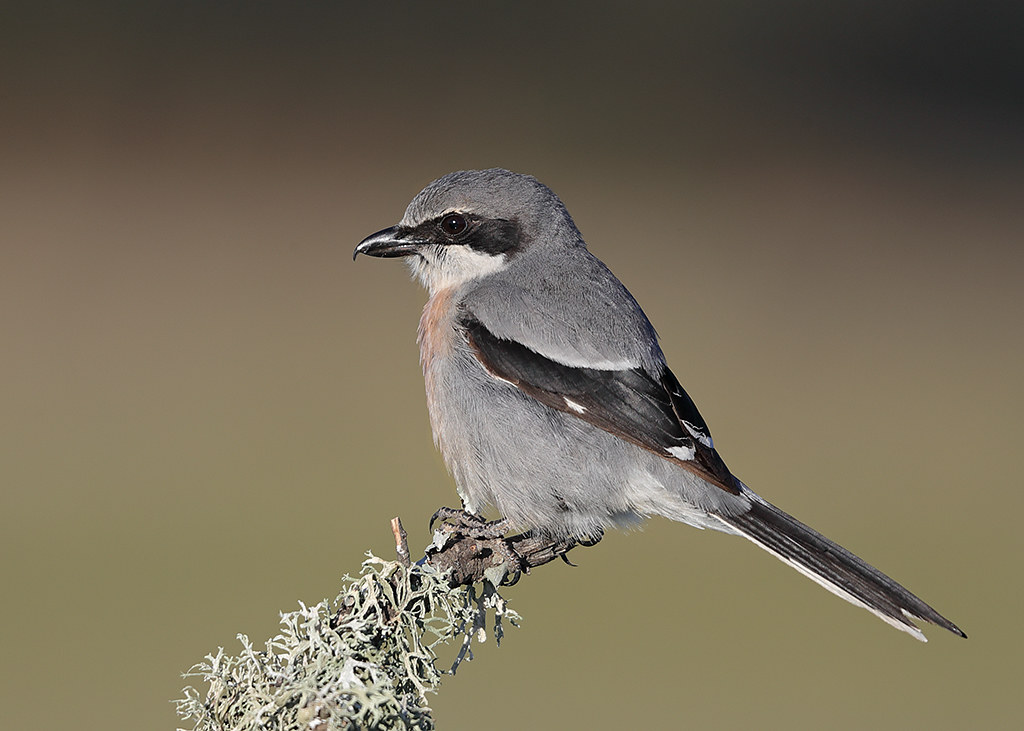
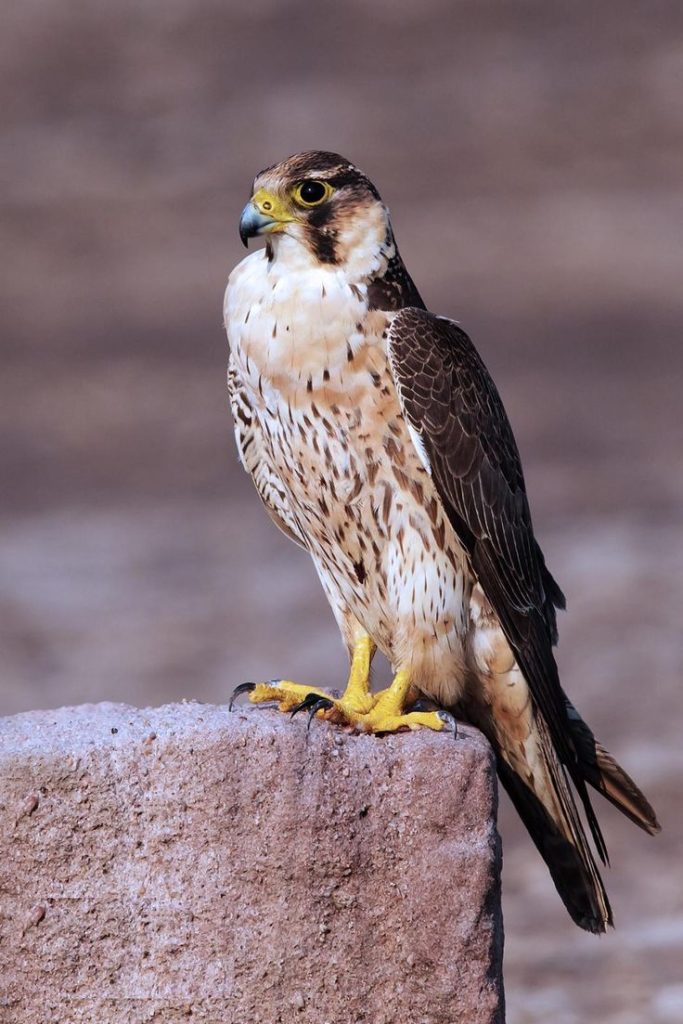
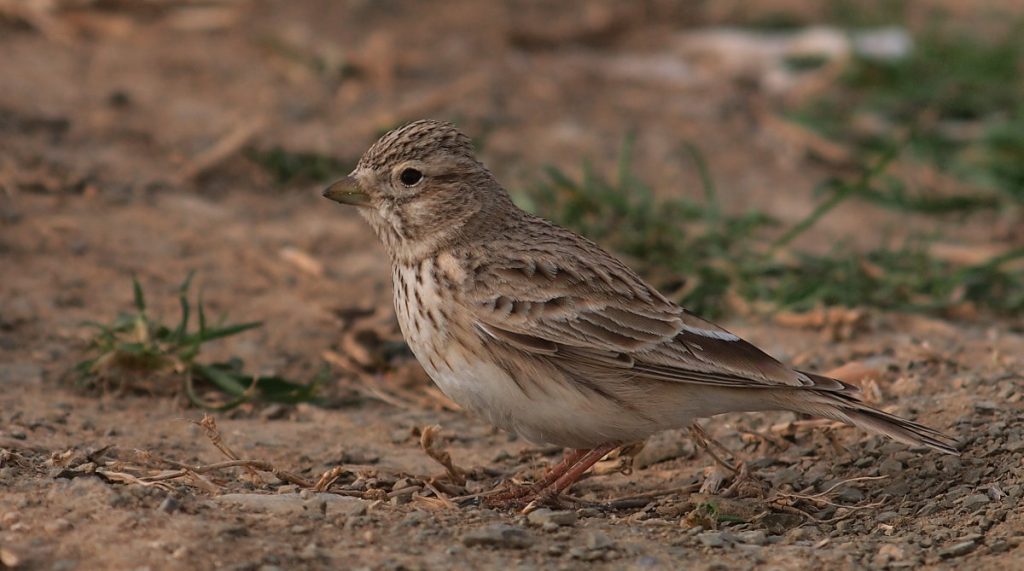
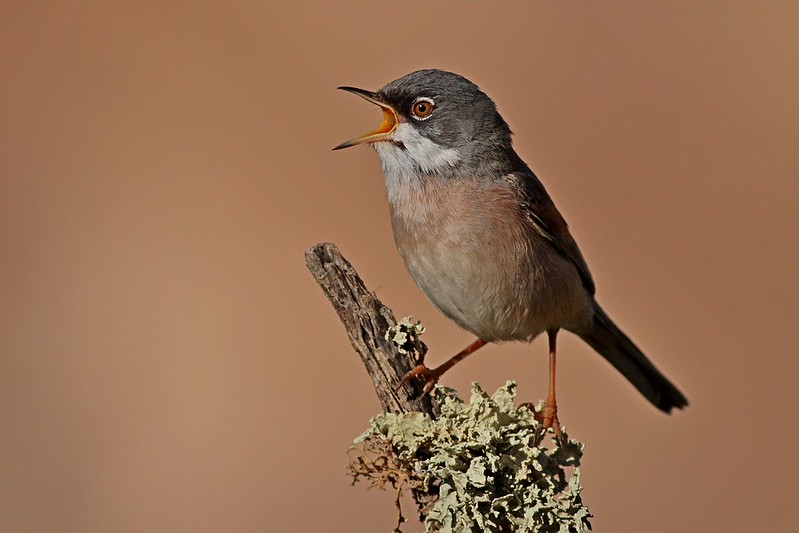
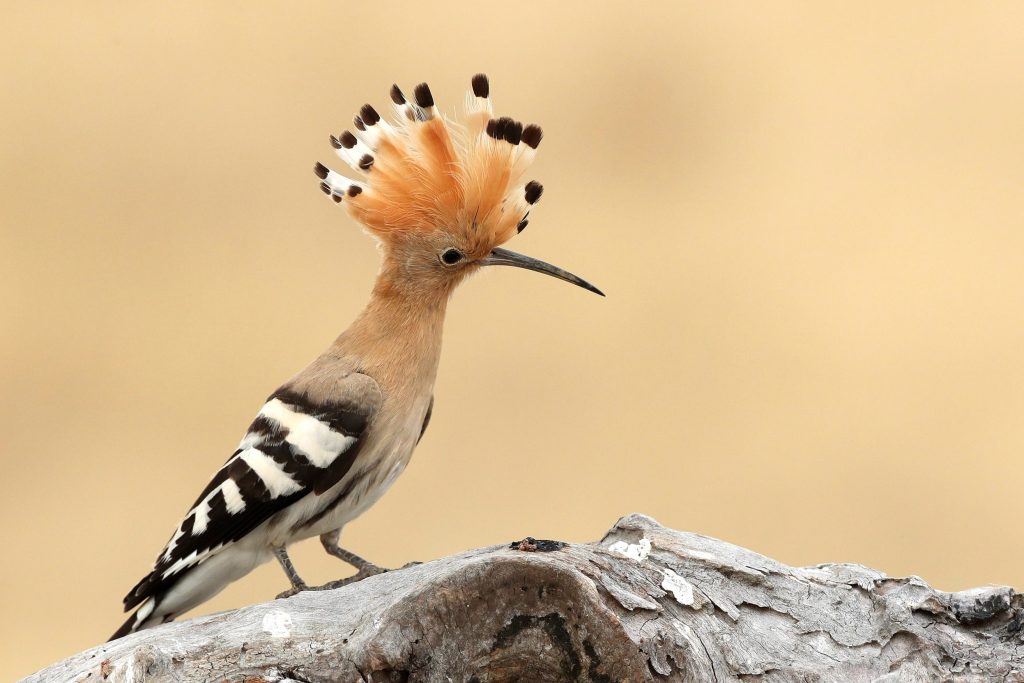
Lesser short-toed lark, spectacled warbler, stone curlew and hoopoe round out the list of easy-to-see specialities.
The best places to watch
El Jable and the Teguise Plain
This is the one. The El Jable sand plain, running across the island's waist between Teguise, Soo and Famara, is a semi-desert of pale windblown sand — and it's widely rated as the best place in the world to see Canarian houbara bustard. It's also where you'll find cream-coloured courser, lesser short-toed lark, stone curlew and, in winter, hunting harriers.
How to do it: Early morning, from a vehicle, moving slowly along the dirt tracks. The car works as a hiding place. Birds here tolerate a slow-rolling vehicle far better than a person on foot. Scan ahead with binoculars rather than walking in.
Please note: The Houbara is strictly protected and highly sensitive to disturbance, especially during the winter display season. Stay on established tracks, never drive across open sand towards a bird and don't approach displaying males. Poorly managed birdwatching is itself a recognised pressure on this population.
Salinas de Janubio
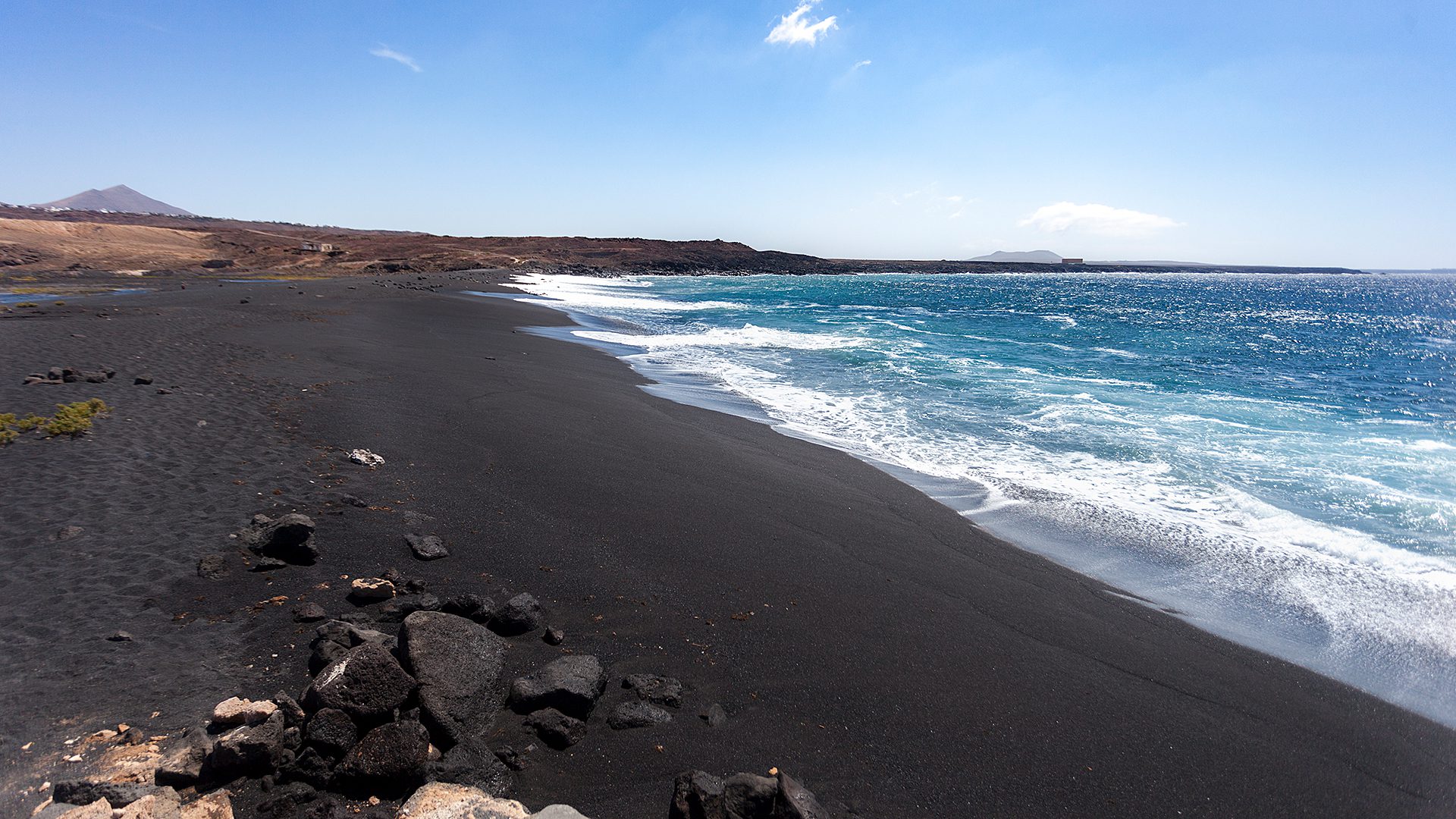
The old salt pans on the southwest coast are the island's best wetland, and the easiest birding on Lanzarote — you can watch a lot of it from the road and the viewpoints above. Black-winged stilts are resident and obvious. Ruddy turnstone, Kentish plover, little stint, whimbrel and grey plover all turn up, and greater flamingo appear irregularly. Passage periods in spring and autumn are the most productive, when almost anything can drop in, including rarer ducks and waders.
Come late afternoon, when the light is behind you and the salt pans turn pink and gold. It's the most photogenic birding site on the island by some distance.
La Geria
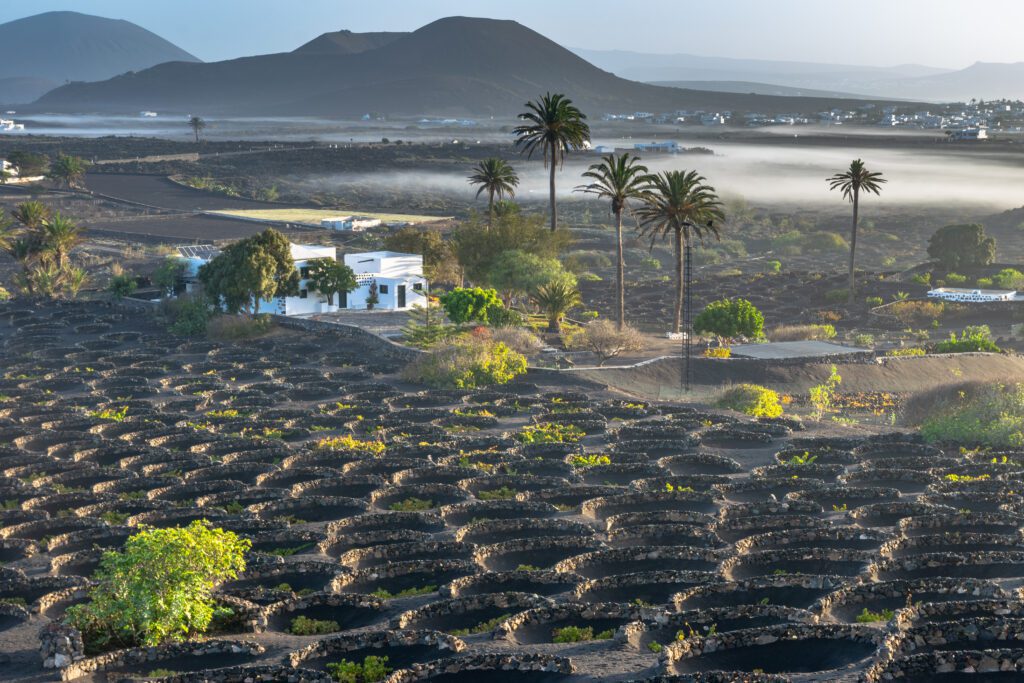
The volcanic wine country, with its thousands of vines sunk into ash-filled pits behind semicircular stone walls, is a habitat found nowhere else. It's excellent for Berthelot's pipit, trumpeter finch, southern grey shrike and common kestrel. The walls and hollows create shelter and insect life in an otherwise bare landscape, and the birding is pleasant, easy walking on well-marked tracks.
Timanfaya and the southern coast
The interior of the national park is essentially sterile — spectacular geology, almost no birds. The coastal margins are the opposite. Cory's shearwater pass offshore, Barbary falcon hunt the cliffs, and yellow-legged gull are everywhere. Los Hervideros and the coast road south of El Golfo are good vantage points.
The north coast and the Chinijo Archipelago
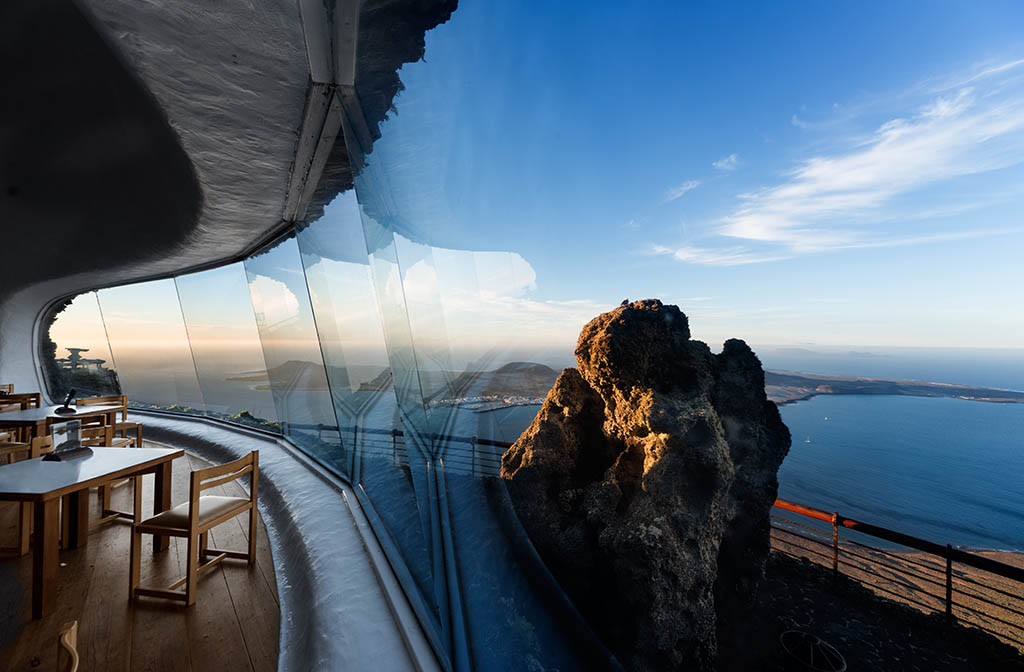
North of Arrieta the island climbs towards Haría and the Risco de Famara, and the birding changes again. The cliffs here look out over the Chinijo Archipelago — La Graciosa, Alegranza, Montaña Clara and the Roques — which together form one of the most important seabird breeding areas in the Canaries and one of Europe's largest marine reserves.
From viewpoints like Mirador del Río you're looking down at genuinely wild seabird islands. Cory's shearwater, Bulwer's petrel, Barolo shearwater and storm petrels all breed out there. Eleonora's falcon appear in late summer and autumn. A telescope helps enormously; so does calm weather and an early start.
Barranco de Tenegüime
A protected ravine between Guatiza and Los Valles, designated in 1994, cutting through some of the island's oldest rock. Kestrels and rock doves nest on the cliffs, shearwaters pass overhead at dusk, and the tabaiba and lavender scrub holds warblers and pipits. The full walk is around 11 km and rated demanding, with a car needed at each end — but the lower section from the Guatiza cemetery gives you the habitat without the commitment.
Arrecife Marina
Don't skip the capital. The marina and harbour hold the island's largest cattle egret colony and are reliably good for coastal and migratory birds — one of the better urban birding spots in the Canaries, and useful on a windy day when the plains are unworkable.
When to go
- Winter (Nov–Feb) — Wintering waders at Janubio, and the start of houbara display activity. Cool, comfortable walking weather.
- Spring (Mar–May) — Peak passage migration, resident species breeding and singing, pallid swifts overhead. Arguably the best all-round month is April.
- Summer (Jun–Aug) — Quieter on land, excellent at sea: Cory's shearwater breeding colonies are at full activity around the Chinijo islands.
- Autumn (Sep–Nov) — Return passage brings osprey, whimbrel and waders, and Eleonora's falcon are around the northern cliffs. September and October are seriously underrated here.
Practical notes
- Optics: 8x or 10x binoculars are essential. A telescope makes a real difference at Janubio and for seawatching — the distances are long and the heat haze is real.
- Timing: the first two hours after sunrise and the last two before sunset. Midday light on white sand and black lava is brutal, and the birds know it.
- A car: you need one. The best sites are dirt tracks off minor roads, and there's no practical public transport alternative.
- Sun and wind: hat, high-factor sunscreen, more water than you think, and a windproof layer for the northern cliffs, which are far cooler and blowier than the south.
- Ethics: stay on tracks, keep well back from breeding birds, don't use playback to draw out scarce species, and close gates. Much of the island is a UNESCO Biosphere Reserve, and the rare species here are rare for a reason.
Where to base yourself
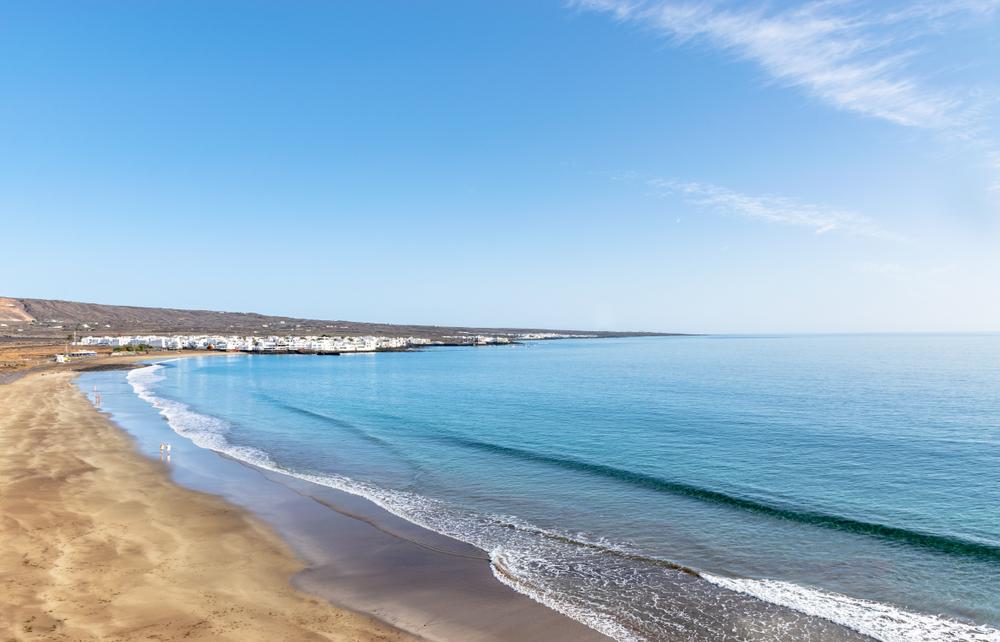
The north-east coast is a good compromise if you want varied birding without long daily drives. From around Arrieta you're twenty minutes from the Haría valley and the northern cliffs overlooking the Chinijo islands, ten minutes from the mouth of Barranco de Tenegüime at Guatiza, and within reasonable reach of El Jable and the Teguise plain for early starts. Janubio and the southern coast are about an hour away — a comfortable day trip rather than a daily commute.
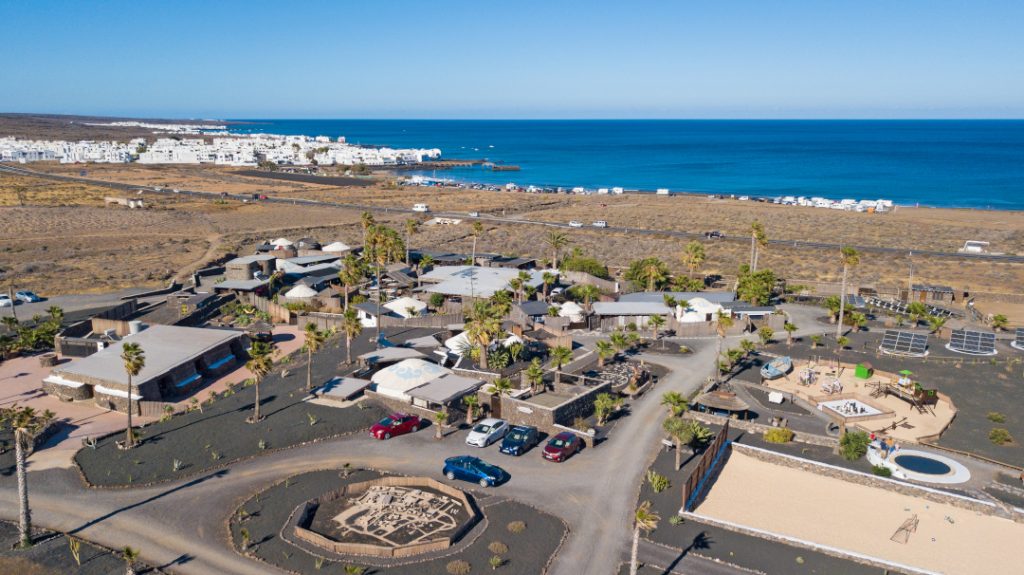
Our own Finca de Arrieta sits in this corner of the island, and it's a quietly good base for it: an off-grid eco retreat of yurts, cottages and eco-cabins a few minutes from the beach, with open views, dark skies and enough space around it that Berthelot's pipits, kestrels, hoopoes and shrikes are regular sightings without leaving the grounds. Early risers get the best of it — the light over the Malpaís at dawn is worth the alarm on its own.
Bring the binoculars. Lanzarote rewards people who look closely, and the birds are the clearest proof of it.
Recent Posts