Beyond the Resort Beaches: Lanzarote’s Hidden Coastal Gems
When many visitors first picture a beach in Lanzarote, they think of the golden sands and easy access of Playa Grande in Puerto del Carmen, Playa Dorada in Playa Blanca or Playa de Las Cucharas in Costa Teguise.
These are the island's best-known resort beaches and, for many visitors, the first introduction to Lanzarote's coastline.
But there is another side to the island's beaches.
Away from the large resorts, Lanzarote's coastline becomes wilder, quieter and much more varied. There are tiny coves tucked between volcanic lava flows, traditional fishing villages, beaches beneath enormous cliffs and stretches of golden sand where the landscape feels almost untouched.
Some, such as Papagayo and Famara, are now well established on the Lanzarote visitor map. But compared with the island's main resort beaches, they still offer a very different experience.
And if you are prepared to explore a little further, there are plenty of beaches that many visitors never discover.
Here are some of our favourites.
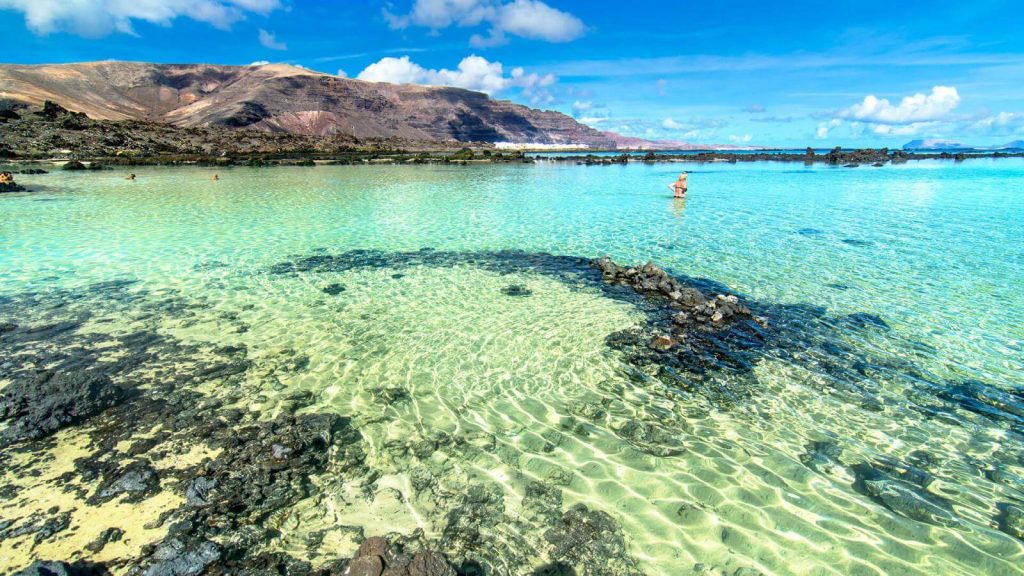
Caletón Blanco – White Sand and Black Lava
Near Órzola in the north of Lanzarote, Caletón Blanco is one of the island's most distinctive coastal landscapes.
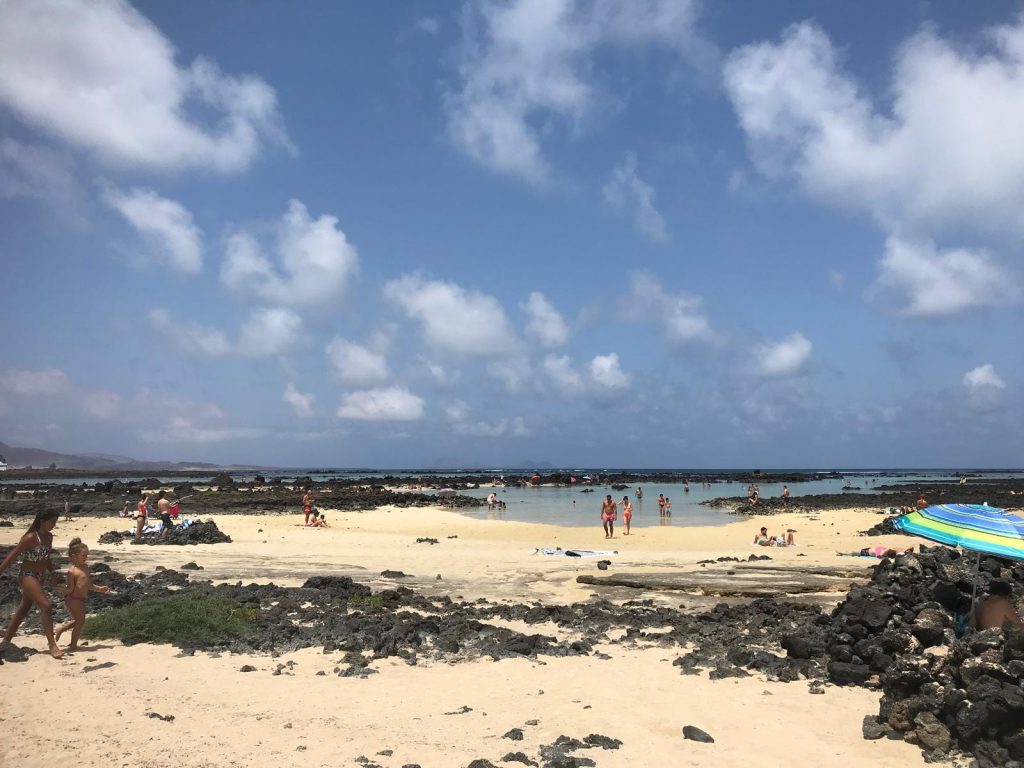
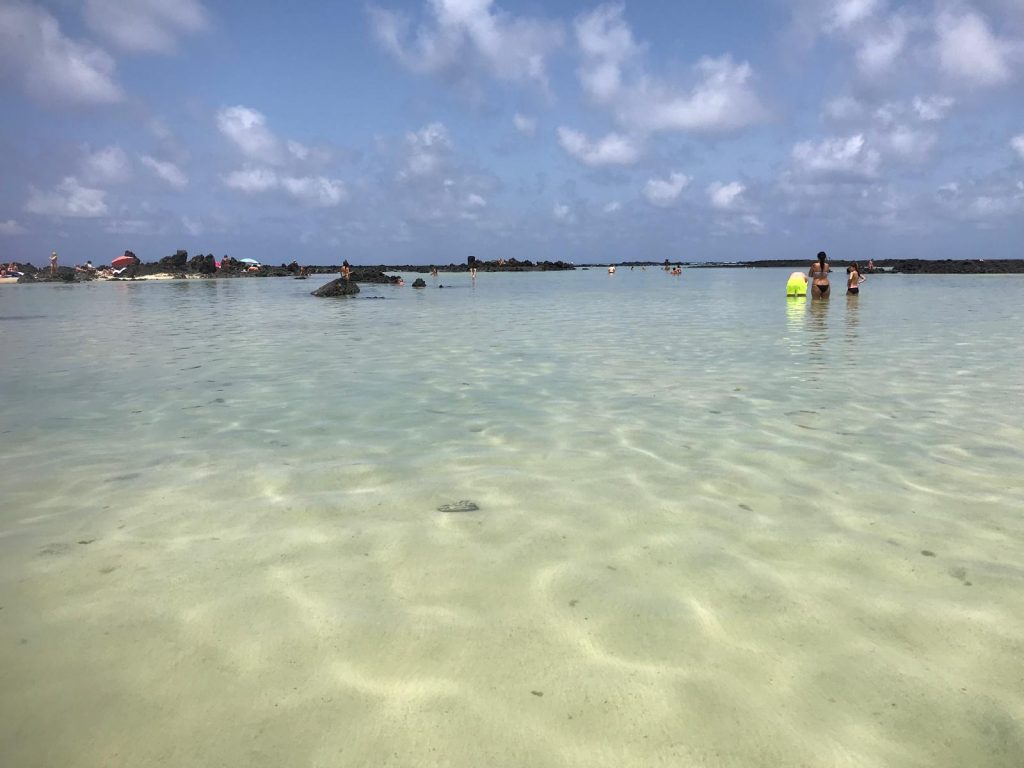
Its name means "white cove", and it is easy to see why. Brilliant white sand sits between dark volcanic lava flows, while shallow turquoise water fills the natural coves and pools along the shore.
The contrast is spectacular and quintessentially Lanzarote.
The surrounding lava formations provide sheltered areas where the water can be particularly calm, making parts of Caletón Blanco enjoyable for families. At the right stage of the tide, the shallow water also makes it fun to explore the rocks and small natural pools.
It is an easy beach to combine with a day exploring the north of the island. Visit Órzola, explore the volcanic caves at Cueva de los Verdes or Jameos del Agua, and finish the day beside the turquoise water at Caletón Blanco.
Turismo Lanzarote also highlights the other small coves along this stretch of coastline, making it well worth taking your time rather than simply stopping at one beach.
Playa de La Garita – Arrieta's Golden-Sand Beach
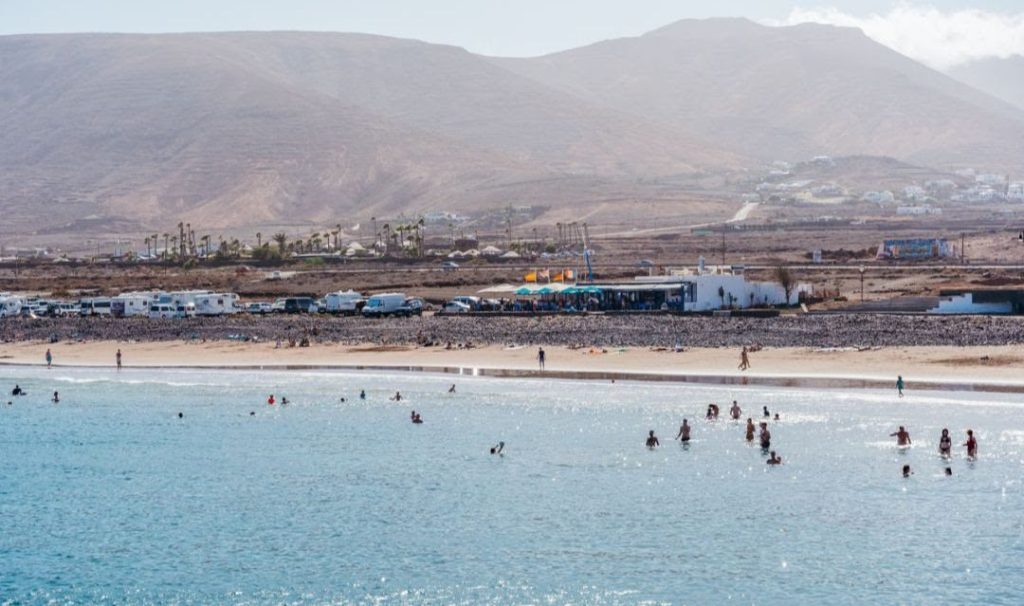
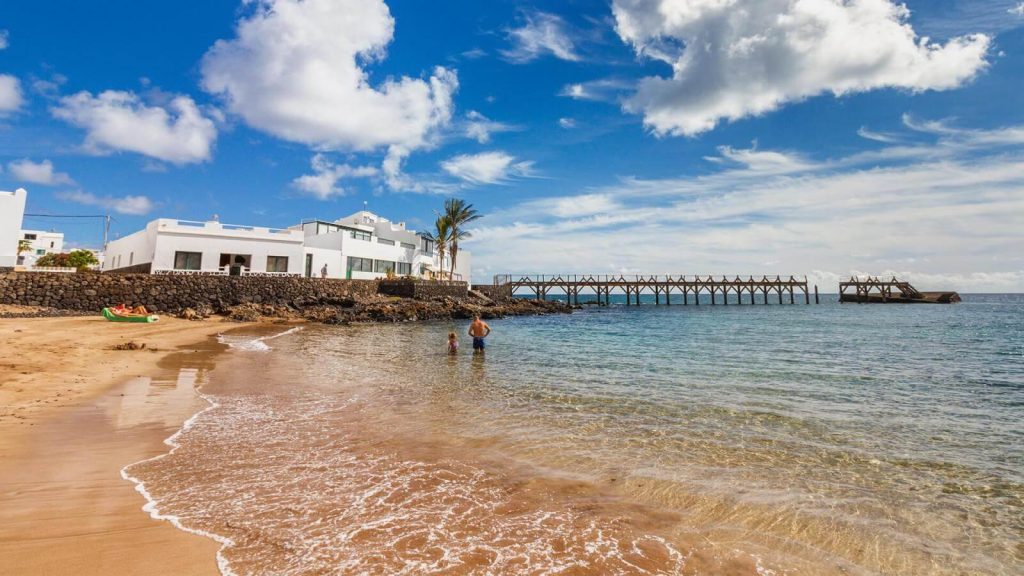
Continue along the coast towards Arrieta, and you will find Playa de La Garita, a beautiful stretch of golden sand beside this traditional fishing village.
At around 810 metres long, La Garita is considerably larger than many of the little coves found along Lanzarote's northern coastline. It is also very different in character from the island's purpose-built resort beaches.
There are no large hotels lining the beach. Instead, La Garita sits alongside the village of Arrieta, with its promenade, fishing boats, local restaurants and relaxed Canarian atmosphere.
The beach has fine golden sand, relatively calm waters and a Blue Flag, as well as useful facilities including parking, toilets, a children's play area and the seafront promenade.
What makes La Garita particularly appealing is its connection with the village itself. You can spend the morning on the beach, wander along the promenade, watch the boats in the harbour and stop for fresh fish or seafood before returning to the sand.
Turismo Lanzarote describes La Garita as a peaceful family beach in the fishing village of Arrieta, and notes that the beach and harbour become popular with local residents, particularly at weekends.
For guests staying at Finca de Arrieta, it is also one of the easiest beaches to enjoy without travelling far. And for anyone exploring the north of Lanzarote, La Garita makes an excellent stop between the beaches around Órzola and the natural pools of Punta Mujeres.

Playa de La Cantería – Wild Atlantic Scenery
Just beyond Órzola lies Playa de La Cantería, sometimes referred to as the "back beach".
This is Lanzarote at its wildest.
The beach sits beneath the dramatic Risco de Famara cliffs and faces the open Atlantic, with views across towards La Graciosa. It is a very different proposition from the sheltered resort beaches of Puerto del Carmen, Playa Blanca or Costa Teguise.
La Cantería is particularly popular with surfers, but the exposed Atlantic conditions mean that swimming is not recommended when currents and waves are strong. Turismo Lanzarote specifically describes the beach as having strong currents and advises against swimming.
For many visitors, the beach is best enjoyed simply by walking along the sand, watching the waves and taking in the enormous volcanic landscape.
Papagayo – Famous For a Reason
Papagayo is certainly no longer an unknown beach.
It is one of the places most often recommended to visitors exploring Lanzarote, but if your idea of Lanzarote's beaches has so far been limited to the main resorts, Papagayo is still somewhere you should experience.
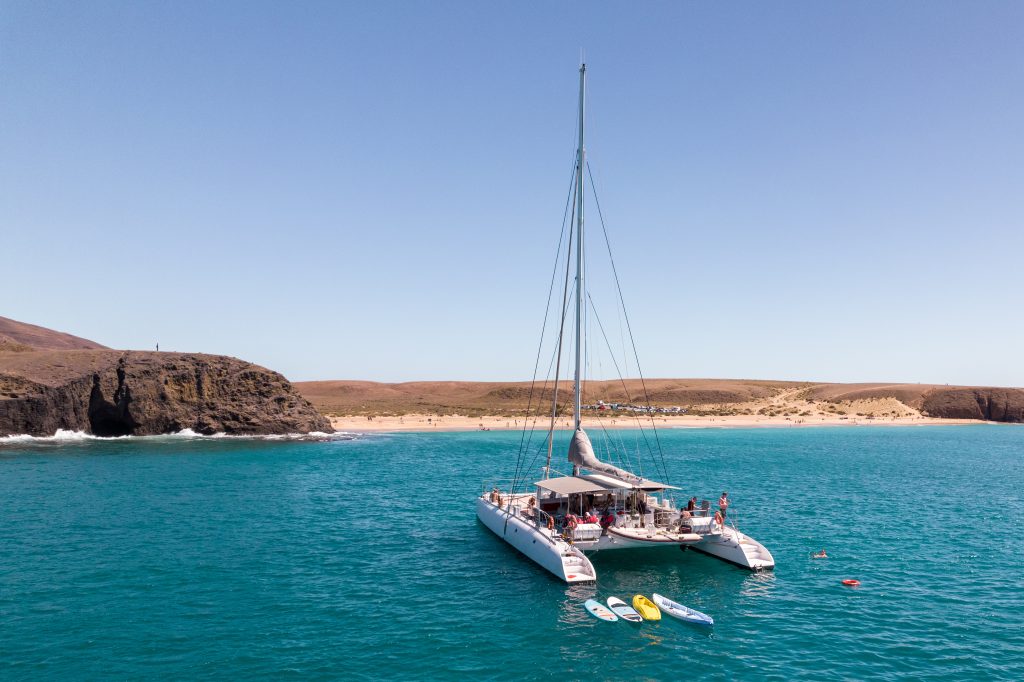
Located within the Los Ajaches Natural Monument in the south of the island, the coastline is made up of a series of beautiful golden-sand coves backed by volcanic cliffs.
The main Papagayo beach is particularly famous for its sheltered, crystal-clear turquoise water.
What makes the area special is the lack of large-scale development. There are no apartment blocks or a busy promenade running behind the beach. Instead, you have volcanic landscapes, clear Atlantic water and a feeling of being much further away from civilisation than you actually are.
It is this contrast with the resort beaches of Playa Blanca that makes Papagayo worth visiting. Turismo Lanzarote describes the Papagayo coastline as a series of natural coves within the Los Ajaches Natural Monument.
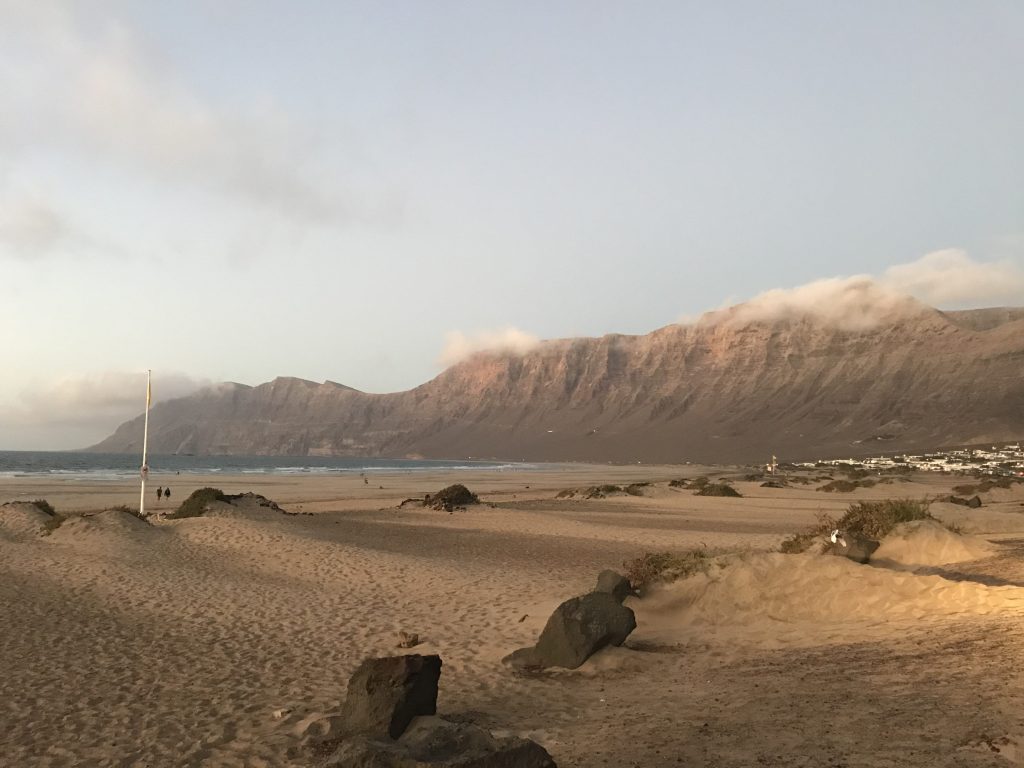
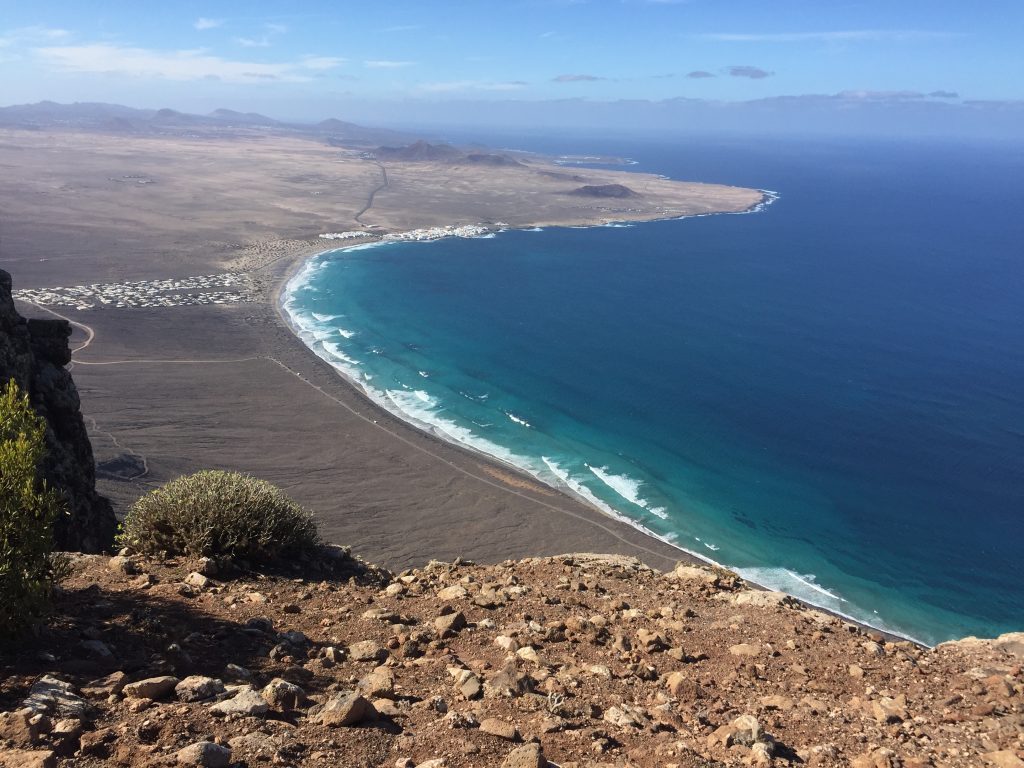
Famara – Where The Beach Meets The Cliffs
Like Papagayo, Famara is now well known among visitors to Lanzarote, particularly surfers and those looking for a more natural side of the island.
But its scale and landscape make it completely different from a resort beach.
The enormous sweep of golden sand stretches beneath the Risco de Famara cliffs, creating one of the most spectacular coastal views on the island.
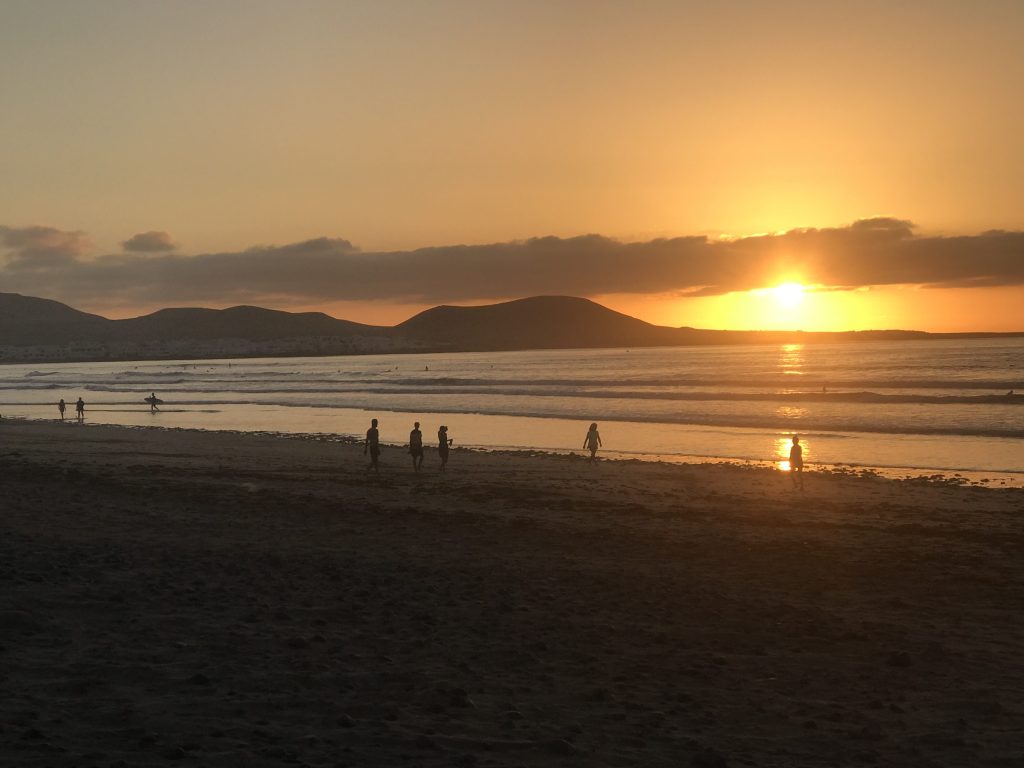
Famara is about atmosphere as much as swimming. Watch the surfers, walk for miles along the sand, explore the village of La Caleta or stay until sunset when the cliffs glow in the changing light.
The beach is also an excellent place to appreciate Lanzarote's wild Atlantic landscape. Turismo Lanzarote describes Famara as a large, natural beach extending for around six kilometres beneath the cliffs, with strong waves making it particularly popular for watersports.
La Santa and Tenesar – Explore The Wild West Coast
La Santa is best known among surfers and watersports enthusiasts, but it is also well worth visiting simply to experience a traditional Lanzarote fishing village away from the main tourist resorts.
The village is known for its fresh fish and prawns, but it is perhaps most famous internationally for El Quemao, one of the island's renowned surf breaks.
The coastline here is dramatic, with the Atlantic crashing against the volcanic shore. Rather than coming here expecting a long sandy beach with rows of sunbeds, come for the atmosphere.
Walk around the village, watch the waves, enjoy the harbour and stop for something to eat in one of the local restaurants.
For anyone interested in Lanzarote's maritime culture, La Santa offers a glimpse of a side of the island that can easily be missed when staying in the larger resorts. Turismo Lanzarote describes La Santa as Tinajo's fishing village and highlights the internationally recognised El Quemao wave.
Tenesar – One Of Lanzarote's Quieter Corners
Further north along the west coast is Tenesar, a tiny coastal settlement that feels a world away from Lanzarote's better-known tourist areas.
This is not somewhere to come looking for a classic sandy beach. Instead, Tenesar is about the volcanic coastline, natural rock pools, black lava formations and the feeling of being somewhere that few visitors take the time to discover.
The small collection of whitewashed houses sits dramatically beside the Atlantic, making it a particularly atmospheric place for photography and coastal exploration.
The sea can be rough and the coastline is rocky, so this is somewhere to admire the landscape rather than assume it is suitable for swimming.
Tenesar is especially interesting for visitors who want to see the more rugged side of Lanzarote and experience a small coastal community far removed from the island's major tourist centres. Turismo Lanzarote also highlights Tenesar's coastal traditions and its connection with the Timanfaya area.
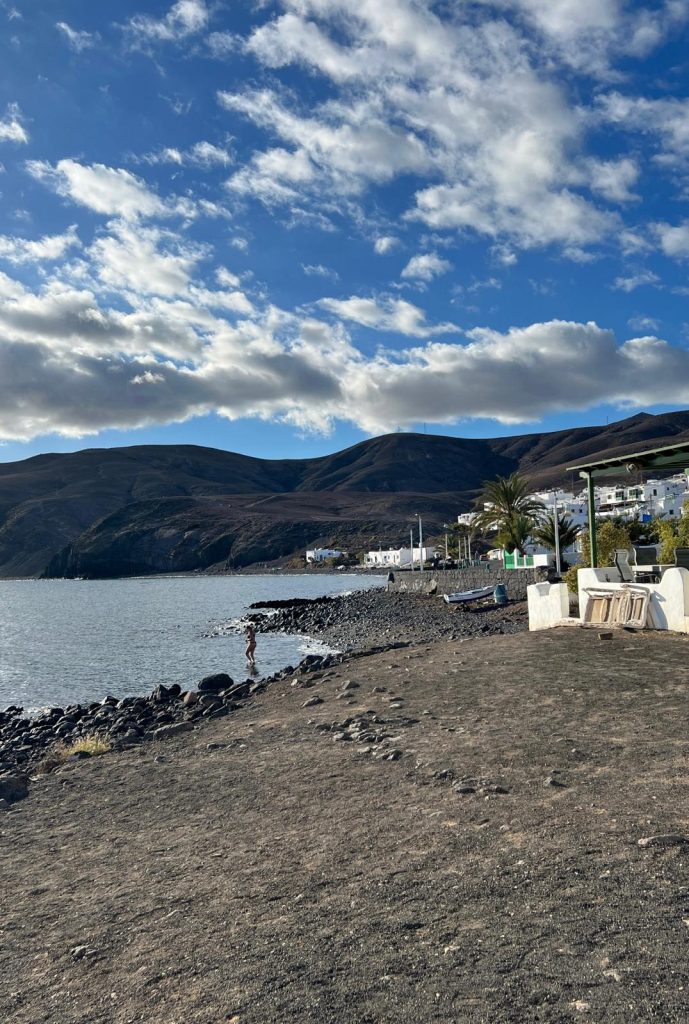
Playa Quemada – A Glimpse Of Traditional Lanzarote
On the south-east coast, Playa Quemada offers a completely different kind of beach experience.
This small fishing village has retained a wonderfully traditional atmosphere, with whitewashed houses, fishing boats and a volcanic coastline rather than the extensive development found in the main resorts.
The beach itself is made up of pebbles and has a peaceful, rural character.
It is also a lovely place to combine a beach visit with lunch. Rather than spending the whole day on a towel, wander around the village, explore the coastline or follow part of the walking route towards the quieter coves beyond Playa Quemada.
If you want to experience a more authentic and peaceful side of Lanzarote, this is a great place to start.
La Graciosa – An Entire Island Of Beaches
For the ultimate escape from Lanzarote's resort beaches, take a trip to La Graciosa.
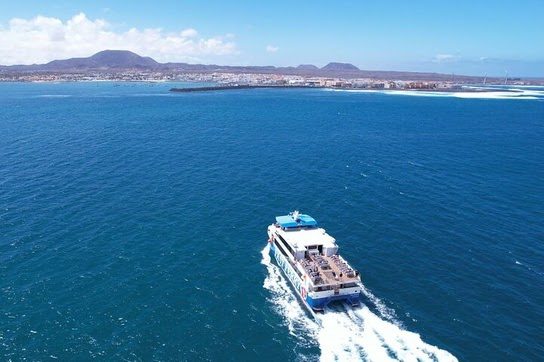
Just around 30 minutes by ferry from Órzola, La Graciosa is the eighth island of the Canary Islands and forms part of the protected Chinijo Archipelago.
It feels remarkably different from Lanzarote.
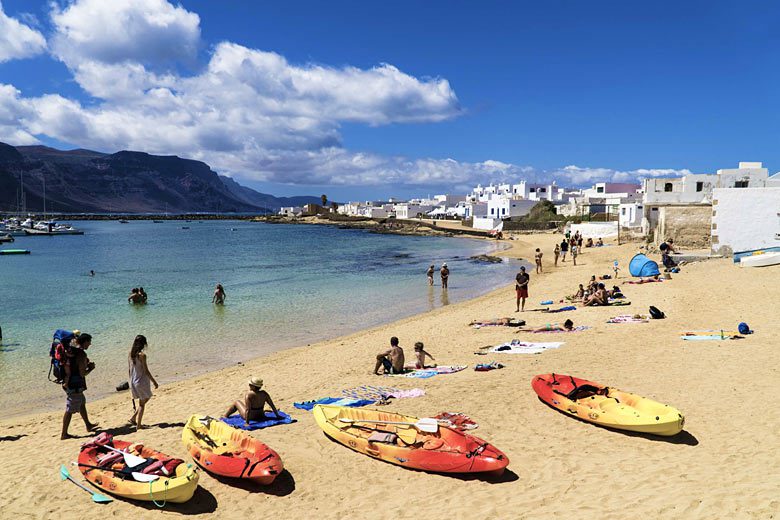
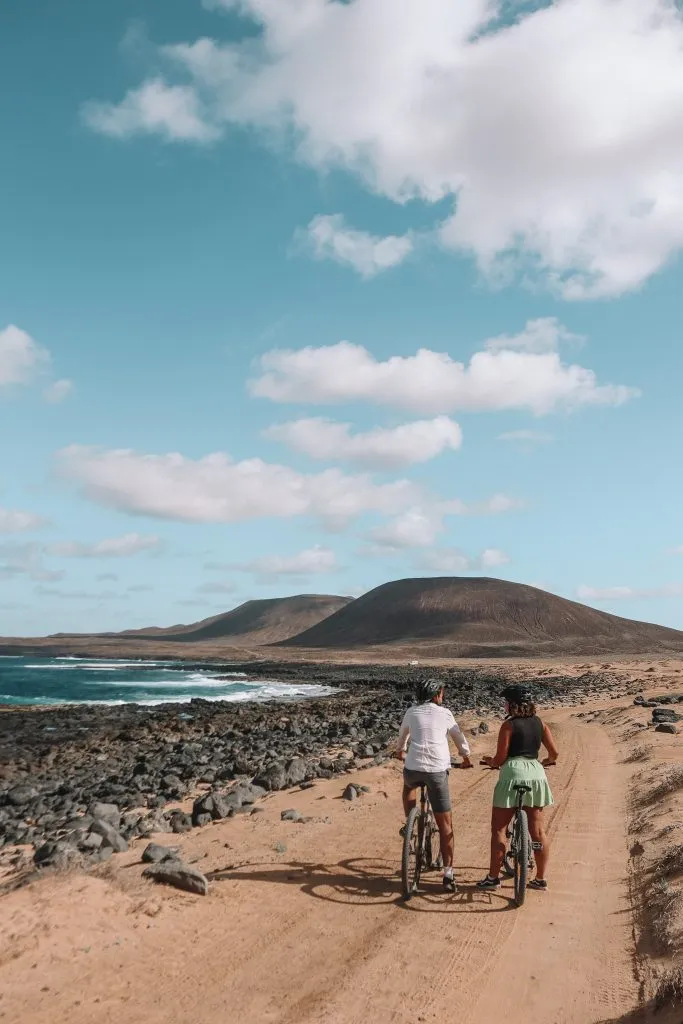
There are no paved roads across the island and very little development. Instead, you will find sandy tracks, volcanic landscapes, whitewashed houses and beaches ranging from calm turquoise coves to wild Atlantic shores.
The island can be explored on foot, by bicycle or using one of the island's 4x4 taxis.
Playa de La Francesa
La Francesa is one of the best choices for a first visit to La Graciosa.
The white sand and clear turquoise water are backed by views towards Lanzarote and the Risco de Famara cliffs.
The beach is relatively sheltered, and it is a popular place for swimming, snorkelling and simply spending a few hours beside the sea.
There are no beach facilities, so bring everything you need for the day.
Playa de La Cocina – Beneath Montaña Amarilla
Continue along the coast and you will reach Playa de La Cocina, also known as Montaña Amarilla beach.
This small crescent-shaped cove sits beneath the striking yellow and ochre volcanic slopes of Montaña Amarilla.
The combination of colourful volcanic rock and turquoise water makes it one of the most photogenic spots on the island.
It is a relatively small beach, so it can become busy during the summer and Easter holidays. Outside the busiest periods, however, it can feel wonderfully peaceful.
Playa de Las Conchas – Spectacular But Wild
If there is one beach on La Graciosa that looks as though it belongs on a postcard from a tropical island, it is Playa de Las Conchas.
Golden sand, brilliant turquoise water, volcanic mountains and views towards the islets of Montaña Clara and Alegranza create an extraordinary setting.
But this is a beach where the scenery can be deceptive.
Las Conchas is exposed to the Atlantic and can have strong waves and currents. It is therefore important to check conditions carefully before considering swimming.
The journey is also part of the experience. Las Conchas is away from Caleta de Sebo and can be reached by bicycle, on foot or by 4x4 taxi.
Playa del Salado – An Easy Introduction To La Graciosa
If you don't want to travel too far from the ferry, Playa del Salado is just a short walk from Caleta de Sebo.
It is one of the easiest beaches to reach on the island and offers beautiful views back towards the cliffs of Famara.
The southern beaches of La Graciosa generally offer a more sheltered experience than the exposed northern coastline, making this area a good option for visitors who want to enjoy the island without embarking on a longer hike or cycle ride.The southern beaches of La Graciosa generally offer a more sheltered experience than the exposed northern coastline, making this area a good option for visitors who want to enjoy the island without embarking on a longer hike or cycle ride.
Playa del Ámbar – The Wilder Side Of La Graciosa
For those wanting to explore further, Playa del Ámbar, also known as Playa Lambra, lies towards the north-east of the island.
This is a much more remote and natural beach, surrounded by dunes and volcanic landscapes.
It is another example of why La Graciosa is so different from the main resort areas of Lanzarote. There are no promenades, rows of sunbeds or beach bars — just sand, volcanic rock and Atlantic views.
The exposed location means that sea conditions should always be checked before considering swimming.
The beauty Of Going Beyond The Resorts
The wonderful thing about Lanzarote is that there isn't one definition of a perfect beach.
You might love the convenience of Playa Grande, the sheltered waters of Playa Dorada or the watersports at Las Cucharas.
But drive a little further and the landscape changes completely.
You can find white sand surrounded by black lava at Caletón Blanco, relax beside the sea in the fishing village of Arrieta, discover traditional coastal villages at Playa Quemada and La Santa, explore the rugged coastline around Tenesar, walk beneath the huge volcanic cliffs at Famara or find wild Atlantic beaches that require a little more effort to reach.
And then there is La Graciosa, where a short ferry journey takes you to an island of unpaved tracks, volcanic landscapes and some of the most beautiful beaches in the Canary Islands.
So, next time you are in Lanzarote, don't just search for the beach closest to your accommodation.
Hire a car, catch a ferry, follow the coastline and explore a little further.
You may discover that your favourite beach in Lanzarote is not the one you had heard about before you arrived.
A Few Things To Remember
Many of Lanzarote's quieter beaches are deliberately undeveloped. Take plenty of water, sun protection, food and anything else you need for the day.
Always check local sea conditions before swimming. Some of the island's wild beaches are exposed to strong Atlantic waves and currents, even when the water looks calm from the shore.
Please take all rubbish home with you, avoid removing stones or other natural materials, respect wildlife and keep noise to a minimum.
The beauty of these places comes from their natural character — and keeping them that way means future visitors can enjoy them too.
Staying In Lanzarote?
At Lanzarote Retreats, we have over 30 individual self-catering properties across the island, from our unique eco-friendly yurts and cottages at Finca de Arrieta to villas and retreats in some of Lanzarote's most beautiful locations.
Whether your ideal beach is a sheltered cove, a wild Atlantic coastline, a family-friendly village beach or somewhere that takes a little effort to reach, Lanzarote has somewhere waiting for you.
Recent Posts